


Choose double drawn hair when you want dense, blunt ends and a full-glam finish, and choose single drawn when you want a lighter, more natural taper that blends into your own hair. Double drawn bundles typically hold 80 to 90 percent of strands at the stated full length, while single drawn keeps a natural mix of shorter and longer strands. Drawn type describes length sorting, not hair origin or quality, so weigh it alongside construction and shade match, not as a standalone quality score. Editors break down both types below, including where a Tape-In or Clip-In option fits either goal.
TL;DR:
Single drawn hair is lighter, with a natural taper at the ends, and typically contains 50 to 60 percent full-length strands, making it ideal for blending into very fine hair.
Double drawn hair undergoes an extra sorting process to produce 80 to 90 percent full-length strands, resulting in denser, full ends suited for most women and voluminous, full-glam styles.
Verifying drawn type involves simple tests such as examining for tapered versus blunt ends, bunched ponytail shape, and requesting unedited videos from vendors to ensure transparency.
Although double drawn costs more per bundle due to additional labor, fewer bundles are needed for long and full styles, which can make the overall cost comparable or even lower than multiple single drawn bundles.
The choice depends on natural hair density and style goals, with fine hair benefiting from lightweight single drawn extensions and most hair requiring the uniform fullness of double drawn hair.
Table of Contents
Double Drawn vs Single Drawn: A Quick Side-by-Side
The fastest way to tell these apart is to look at the ends. Single drawn hair tapers, like your own natural ponytail, because it contains a mix of lengths within each bundle. Double drawn hair ends in a blunt, even line because the shorter strands have been sorted out, leaving a bundle where nearly every strand reaches the same length.
That difference shows up in three places: how the hair looks, how much it weighs on your scalp, and what you pay per bundle. Single drawn wefts are lighter and less dense, which makes them easier to blend into fine or medium hair without adding bulk at the root. Double drawn wefts carry more hair per weft, so they deliver a thicker finish but also more tension if you’re using clip-ins for extended wear.
Choose single drawn if:
-
Your natural hair is fine to medium and you want extensions that disappear into it
-
You’re going for soft, layered movement rather than one blunt line at the ends
-
You want a lower cost per bundle and don’t need every strand at full length
Choose double drawn if:
-
You want maximum volume and a clean, blunt hemline, especially past 20 inches
-
You’re building a ponytail, updo, or wig where the ends stay visible
-
You’re comfortable paying more per bundle in exchange for needing fewer of them
| Factor | Single Drawn | Double Drawn |
|---|---|---|
| Strand-length uniformity | Mixed lengths, natural taper | 80–90% at full length, full ends |
| Density at ends | Thinner, wispy | Thick and even |
| Weight on natural hair | Lighter | Heavier |
| Price per bundle | Lower | Higher |
| Best for | Saving on Price | Natural look, every day wear, long styles, |
What Single Drawn Hair Actually Means
Single drawn refers to hair that goes through one length-sorting pass during manufacturing. The strands are collected, aligned at the root, and cut or sewn into a weft without a second sort to remove shorter pieces. The result is a bundle where some strands hit the labeled length and many fall short of it, which is exactly why the ends taper instead of forming a straight line.
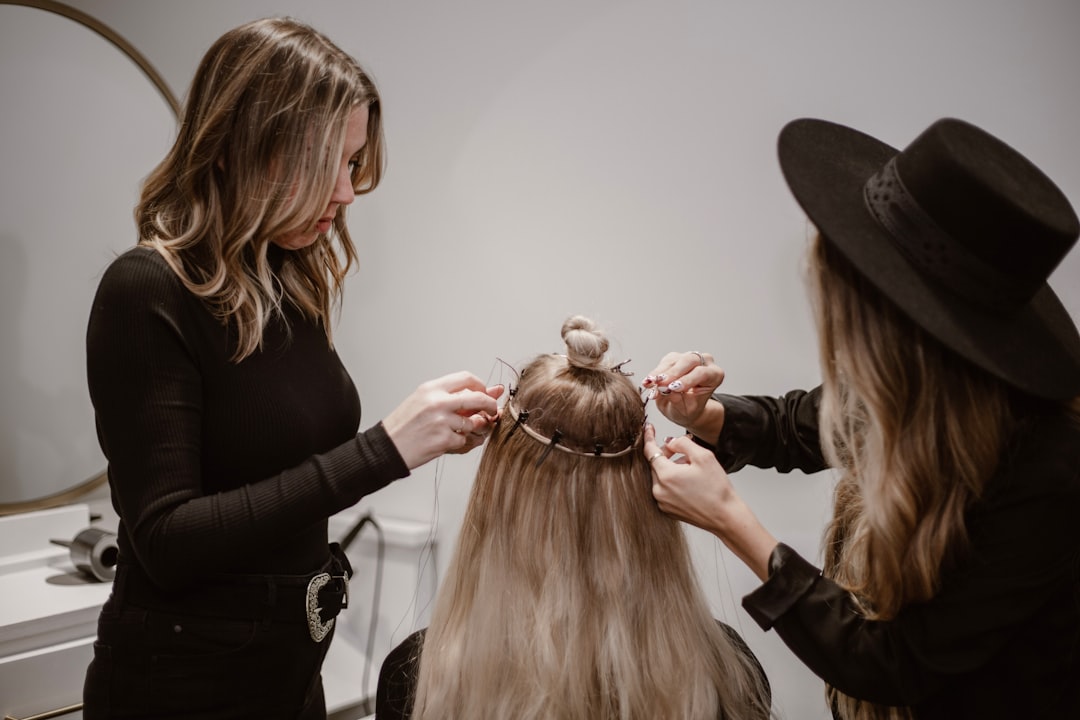
Only 50 to 60 percent of single drawn hair reaches it’s stated length, with the rest trailing shorter. That taper is not a defect. It’s the same pattern your own hair grows in, which is precisely why single drawn extensions blend with very fine natural hair.
The wefts also sit lighter, since fewer total strands pack into each inch of tape or weft.
Where single drawn shines:
-
If you want a little fullness, not a dramatic volume jump
-
Fine or thin natural hair that can’t support heavy wefts without tension or discomfort
-
Layered or wavy styles where a soft, graduated end looks more intentional than a blunt one
Where it falls short:
-
Long lengths past 20 inches, where the taper becomes more noticeable and can look thin at the tips
-
Anyone chasing a thick, one-length cut straight out of the package
-
Ponytails or updos that expose the ends, where sparse tips are harder to disguise
Single drawn hair rewards patience with styling. A quick trim to even the ends, or a bit of curl to camouflage the taper, often solves the one complaint people have about it.
What Double Drawn Hair Actually Means
Double drawn hair goes through a second sorting pass after the first draw. Manufacturers pull out the shorter strands that would otherwise taper the ends, leaving a bundle where the vast majority of hair reaches the labeled length. That second sort is manual, time-consuming, and wastes a meaningful share of raw hair, which is the entire reason double drawn commands a higher price.
The payoff is consistency. Because double drawn bundles typically contain 80 to 90 percent full-length strands, density stays even from the weft down to the tip instead of thinning out. That’s what gives double drawn hair its signature blunt, thick end line, and why stylists reach for it when a client wants volume that reads as natural rather than sparse.
Where double drawn shines:
-
Full-glam installs, bridal styles, and any look where the ends stay on display
-
Wigs and toppers, where uniform density from root to tip matters more than cost per bundle
-
Long-length extensions, where a blunt line prevents the thin, wispy look that taper can create past 20 inches
Where it falls short:
-
Fine natural hair, where the extra weight per weft can pull at the scalp over a full day
-
Budget-conscious buyers who don’t need every strand at full length for their target style
-
Subtle, everyday blending where too much density near the ends can look artificially thick
How to Verify Drawn Type Before You Buy
Marketing copy can call anything “double drawn.” Your own eyes and a few pointed questions are the real test.
-
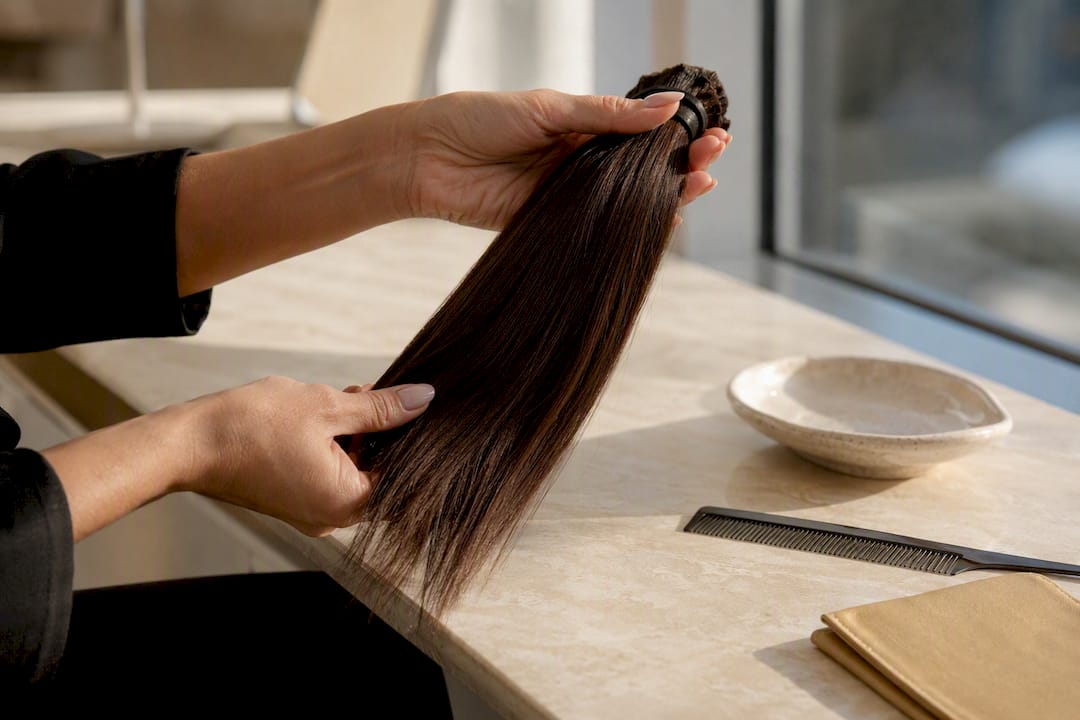
Run the weft-to-ends test. Hold the weft up and look at how the strands fall. A visible taper toward the tips signals single drawn. An even, blunt line signals double drawn.
-
Try the ponytail test. Bunch the weft together as if it were a ponytail. If the ends form a clean, straight edge, you’re looking at double drawn hair. If they form a soft V or cone shape, it’s single drawn.
-
Do a palm check. Lay the weft flat across your palm from root to tip. Even thickness the whole way across suggests a genuine double draw; noticeable thinning near your fingertips suggests single drawn or a mislabeled batch.
-
Ask for unedited video. Request a video panning slowly from the weft down to the ends rather than a static, well-lit photo. A reliable verification method is asking suppliers to pan the camera from weft to tip so you can see the true density, not just a curated angle.
-
Ask the vendor direct questions. Get the exact percent full-length claimed for the batch, ask about their returns policy, and request unedited batch photos before you commit.
Watch for a red flag: pricing that looks like single drawn but a listing that claims double drawn.
A price that’s too good for the labor double drawing requires is usually a sign the claim doesn’t hold up.
Pro Tip: Ask the seller to bunch the weft into a ponytail shape on camera and pan slowly from the base to the tips.
Honest vendors do this without hesitation, since it’s the fastest way to prove their claim.
Comparing Real Cost, Not Just Price Per Bundle
Double drawn costs more per bundle because manufacturers lose usable raw hair during the second sort and spend more labor achieving it. That premium reflects the higher raw material and labor cost of removing shorter strands, not just a markup.
Here’s where the math gets interesting. Say you need a full, long-length install. You might need three single drawn bundles to reach your target density because the natural taper leaves gaps near the ends. The same look might take only two double drawn bundles, since each one already carries near-uniform density from root to tip.
Run those numbers side by side, and the higher per-bundle price on double drawn can land close to, or even under, the total cost of buying extra single drawn bundles to compensate for the taper. Fewer bundles also mean fewer attachment points on tape-ins or wefts, which usually translates to a faster install and less ongoing tension on your natural hair.
-
Compare total install cost, not the shelf price of one bundle
-
Factor in installation time and the number of wefts your stylist needs to place
-
Consider that reduced bulk from fewer double drawn bundles often means easier maintenance between appointments
Which Type Fits Your Hair and Your Style Goal
Your natural density should drive this decision as much as the look you’re chasing. Fine hair rarely benefits from the extra weight of double drawn wefts, no matter how good the blunt ends look on a mannequin. Medium density has more flexibility, and thick natural hair can usually carry double drawn without any scalp strain.
-
Fine natural hair: Start with single drawn for comfort and a lighter root
-
Medium natural hair: Either works; let the style decide
-
Thick natural hair: Double drawn blends easily and won’t feel out of place
Style matters just as much as texture. Everyday wear and soft, layered looks favor single drawn. Bridal styling, red-carpet glam, sleek ponytails, and wedding updos favor double drawn, since the ends stay visible and need to look intentional. Wigs and toppers almost always perform better in double drawn, because density has to hold up under constant exposure with no natural hair to soften the edges.
For stylists building inventory, stocking single drawn as your default and offering double drawn as a premium upgrade covers the widest range of client requests without overstocking a niche product.
Bella-Lu’s Take: Drawn Type Is One Piece of the Puzzle
The best hair extensions combine construction, shade accuracy, and comfortable attachment, because drawn type alone doesn’t guarantee a natural result. A well-sorted double drawn weft can still look wrong if the shade misses your natural color, or if the attachment method feels bulky at the root.
That’s why the catalog spans both tiers with specific use-cases in mind. Jet Black, Tape-In and Coffee Brown, Tape-In deliver the dense, long-wearing tape-in coverage that suits a double drawn buying strategy, while Beach Blonde, Clip-In offers a lighter-weight clip-in option closer to what single drawn buyers expect. Shades like Vibrant Copper, Clip-In, Majestic Mahogany, Clip-In, and Majestic Mahogany, Tape-In round out the range for warmer, richer tones in both formats. Warm Honey, Tape-In covers a lighter, natural tone for buyers who want tape-in longevity without a stark color shift.
Pick your drawn type first, then match it to a construction and shade that actually fits your hair.
Keeping Each Type Looking Its Best
Single drawn and double drawn hair don’t wear out the same way, so they don’t need identical care routines.
Single drawn wefts, with their natural taper, tend to tangle less at the ends since fewer strands are competing for space near the tips. Focus your brushing there with a wide-tooth comb, working from the ends upward, and you’ll keep the taper looking soft rather than frizzy. Because these wefts carry less overall hair, they also dry faster after washing, which cuts down the time you spend styling before your natural hair and extensions blend together seamlessly.
Double drawn wefts need more attention at the base, where density is heaviest. That thickness holds moisture longer, so plan for extra drying time and make sure the weft is fully dry before you clip it away or leave it in overnight. The blunt, dense ends are also more prone to matting if you skip regular detangling, since so many full-length strands sit right next to each other with nowhere to slip past a snag.
Both types benefit from sulfate-free shampoo, cool water rinses, and a silk or satin surface for overnight storage. If you’re using clip-ins nightly, a dedicated carrier or storage solution helps prevent the tangling that shortens the life of either drawn type. Double drawn hair generally holds up longer under repeated wear simply because there’s more hair mass absorbing daily friction, but neither type will last if it’s brushed dry or stored in a tangled pile.
Myths That Confuse Buyers on Both Sides
The biggest misconception is that double drawn automatically means better quality. It doesn’t. Drawn type describes length sorting, not the hair’s origin or how it was processed, so a well-sourced single drawn bundle with intact cuticles can outperform a double drawn bundle made from lower-grade, heavily processed hair.
Another common myth: single drawn hair is somehow “lesser” or a budget compromise. In reality, it’s the correct choice for a large share of buyers, particularly anyone with fine to medium natural hair who wants extensions that vanish into their own. Calling it inferior misunderstands what the sorting process is even for.
People also assume double drawn always looks fuller in every context, which ignores how much natural hair density matters. On very fine hair, a heavy double drawn weft can look disconnected from the scalp, creating an obvious line between natural hair and extension rather than the blend the buyer wanted.
Finally, some shoppers assume any bundle labeled “double drawn” has been verified by a third party. It hasn’t. There’s no universal grading body enforcing that label, which is exactly why the weft-to-ends and ponytail tests matter more than trusting a product description alone.
Our Take: Buy for the Finished Look, Not the Label
The conventional advice treats double drawn as the upgrade and single drawn as the compromise. That framing gets it backward more often than not. The real question is never which type is “better.” It’s which one matches the density you’re starting with and the ends you want people to see.
Where most buying guides fall short is stopping at per-bundle price. A cheaper single drawn bundle that requires three purchases to fake the density of two double drawn bundles isn’t actually the better deal, and nobody runs that math until after checkout. We’d rather see buyers calculate cost per finished look before cost per bundle.
If you take one thing from this guide, verify before you buy. A thirty-second video request settles more disputes than any amount of reading about percentages. The label on the listing matters far less than what your own eyes can confirm in a weft-to-ends check.
— Bella-Lu Editors
Find Your Match in the Bella-Lu Collection
If the comparison above left you leaning toward density and blunt ends, or toward a lighter, natural taper, Bella-Lu’s range is built to match either decision without forcing a compromise on shade or comfort. The construction behind each piece, not just the drawn type, is what makes the difference between extensions that blend and extensions that announce themselves.
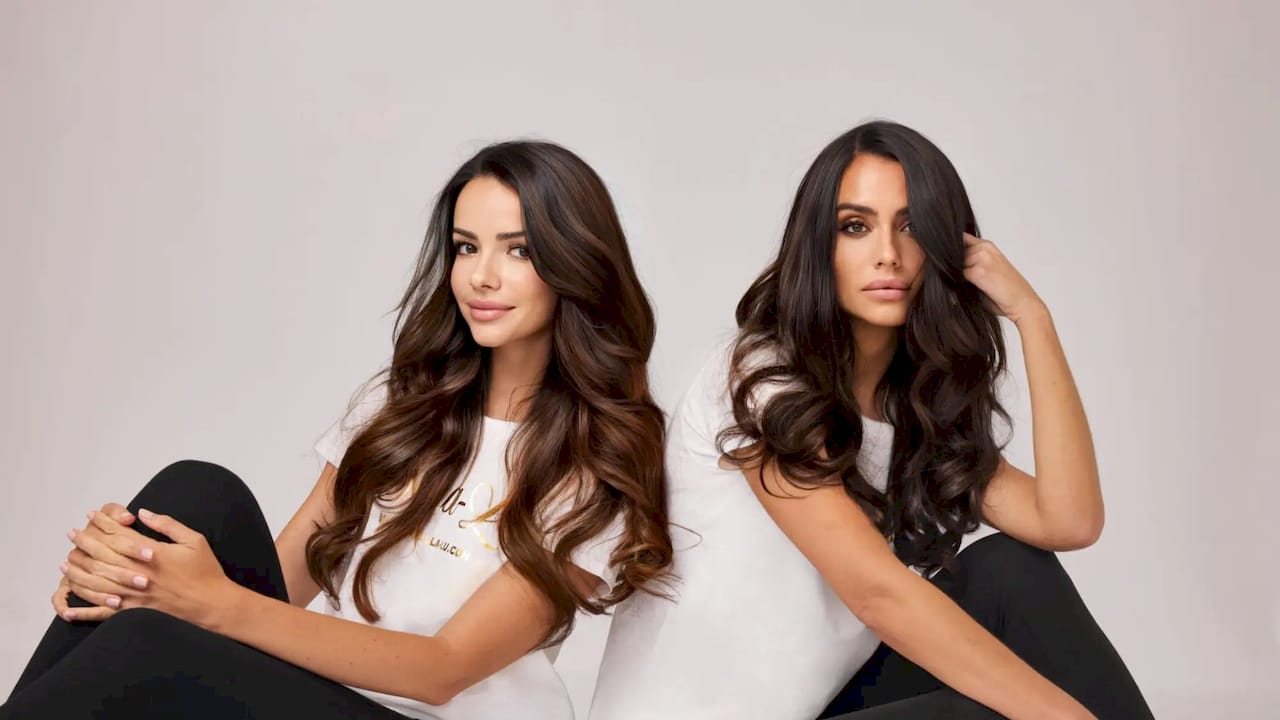
For readers chasing full-glam density, Warm Honey, Tape-In delivers long-wearing coverage built for consistent thickness at the root and the ends. If you want something lighter for everyday wear, Golden Blonde, Clip-In gives you a natural blend without the tension heavier wefts can create on fine hair. Traveling with either option or storing multiple bundles between wears is easier with a dedicated carrier bag to keep everything tangle-free. Browse the full Bella-Lu catalog to compare shades and formats side by side, and if you’re shopping for delicate accessory pieces to pair with fine hair.