


Yes, you can wear extensions for alopecia, but only certain methods qualify. Clip-ins, halo systems, and lightweight toppers are the safest choices because they place little to no ongoing tension on the scalp. Tape-ins and other semi-permanent bonds can sometimes work in less sensitive areas, but only in the hands of a stylist experienced with alopecia. The rule that overrides every other decision: if something pulls, aches, or leaves your scalp tender, stop and remove it. Extensions cover hair loss. They don’t treat it, so a clinician should weigh in on the underlying cause.
TL;DR:
Clip-in extensions are safest for alopecia because they can be positioned to avoid thinning areas and are removed daily to prevent tension buildup.
Halo systems and lightweight toppers are ideal for coverage without pulling on fragile scalp areas, provided they fit well and are used appropriately.
Semi-permanent bonds like tape-ins or micro-rings require expert application and may pose risks if placed near sensitive or thinning regions.
Proper installation and daily care, including gentle cleansing and avoiding high-pull styles, are essential to prevent traction alopecia and scalp damage.
Wigs, hair patches, or toppers are better options for extensive or patterned hair loss, as they do not rely on existing hair for attachment and allow easy removal for scalp recovery.
Table of Contents
Types of Extensions for Alopecia and Which Ones Actually Work
The method matters more than the brand, the price, or how good it looks in photos. Some systems attach with clamps and pressure that fragile hair simply can’t tolerate. Others rest on top of existing hair with almost no pulling force at all.
Clip-in wefts sit at the top of the safety list for a simple reason: you control the tension. Each clip opens and closes with light pressure, and you can position it away from thinning patches entirely. They come off at night, so there’s no cumulative stress building over days or weeks. The tradeoff is that they need some existing hair to clip onto, so they work best for diffuse thinning rather than completely bare patches.
Halo extensions go a step further. A thin wire sits across the crown, hidden under your own hair, with zero clips, glue, or heat touching your scalp. If your part or crown is fragile but you have coverage around the perimeter, a halo can add fullness without a single point of pressure on the vulnerable area.
Lightweight toppers are built specifically for thinning zones. Instead of adding length, they add density exactly where you need it, usually with a breathable base and small, adjustable clips positioned around the perimeter of the piece rather than through the thinnest hair.
Tape-ins and micro-rings sit in a gray zone. They can work for people with alopecia in patches that are localized and surrounded by strong, healthy hair, but they demand a stylist who understands alopecia specifically, not just extensions in general. A technician without that experience is more likely to place bonds too close to a fragile area or apply more tension than the hair can handle.
Custom prostheses and hair patches exist for a reason: extensive or patterned loss sometimes needs a medical-grade solution rather than a cosmetic add-on. These are fitted by specialists, often in partnership with a dermatologist, and they’re designed to work with little or no natural hair as an anchor.
A quick way to sort these by how much hair they need to work safely:
-
Clip-ins: need moderate density to clip into, works well for diffuse thinning
-
Halo: needs perimeter coverage, not density at the crown
-
Toppers: need minimal density directly underneath, most flexible for bald spots
-
Tape-ins/micro-rings: need strong, healthy hair around the attachment zone
-
Prostheses/patches: work with little to no natural hair as anchor
How to Choose the Right Option for Your Hair Loss Pattern
Picking the right extension for alopecia starts with an honest look at where and how you’re losing hair, not with which style looks nicest online.
-
Identify your loss pattern first. Spot loss (like a single bald patch from alopecia areata) calls for a different solution than diffuse thinning across the whole scalp, and full loss usually rules out anything that clips or bonds to hair.
-
Check your scalp’s current sensitivity. If you’ve recently started a new treatment, had a flare, or notice tenderness, hold off on any method involving adhesive or clamping pressure until things settle.
-
Favor the lightest attachment that gets the job done. A topper that solves your coverage problem with four small clips beats a full weft that needs six.
-
Ask a stylist pointed questions before booking anything. Have they worked with alopecia clients before? Will they do a test install on a small section first? What’s the maintenance and check-in schedule?
-
Weigh cost and wear time against your actual lifestyle. Clip-ins cost less upfront and need daily handling; semi-permanent methods cost more but demand strict maintenance intervals to stay safe.
The MedlinePlus overview of androgenetic alopecia is worth reading before this conversation, because knowing whether your pattern is genetic, autoimmune, or traction-related changes which solutions make sense. A stylist can fit you for extensions. Only a clinician can tell you why the hair loss is happening in the first place.
Safe Installation and Daily Care for Fragile Hair
Getting the fit right matters, but what you do in the weeks after installation determines whether extensions help or hurt.
Before any installation, three things should happen. Your scalp should be clean and free of active irritation. If you’re mid-treatment for an autoimmune or dermatological condition, check with your clinician about timing. And your stylist should assess exactly which sections of hair are strong enough to serve as anchor points, rather than assuming the whole scalp can bear weight evenly.
During a professional installation, weight distribution is everything. A skilled stylist spreads tension across multiple secure points instead of concentrating it in one spot, and many will do a small test patch first to see how your scalp responds before committing to a full install. The American Academy of Dermatology recommends getting your natural hair into the healthiest condition possible before adding extensions, working with a professional stylist, and avoiding styles that pull tight at the root.
Daily care afterward is what protects your progress:
-
Cleanse gently with a sulfate-free shampoo, working around attachment points rather than scrubbing directly on them
-
Brush from the ends upward with a wide-tooth comb to avoid dragging on clips or bonds
-
Braid loosely or use a silk or satin pillowcase at night to cut down on friction
-
Avoid high ponytails or buns that add extra pull on top of what the extensions already create
Pro Tip: Keep your extensions and tools in a dedicated carrier bag between wears. Loose extensions that get tangled in a drawer often need more aggressive brushing to detangle later, and that extra friction is entirely avoidable.
Wear time matters as much as the installation itself. Clip-ins should come out nightly, no exceptions. Semi-permanent methods need a planned recovery period between installs, since continuous wear without a break increases cumulative tension on the same follicles. When it’s time to remove anything, do it slowly and with the right tools. If a section feels stuck or resistant, stop and get professional help rather than pulling harder.
Warning Signs That Extensions Are Damaging Your Hair
Your scalp will usually tell you something is wrong before you can see it in the mirror. The problem is that a lot of people push through the early signals, assuming discomfort is just part of the process.
-
Pain or tenderness at the root, especially localized to where clips, tape, or bonds sit, is never normal. Extensions should feel like added weight, not an ache.
-
Increased shedding beyond your normal baseline is a sign that follicles are under more stress than they can handle.
-
A widening part or new thin patches appearing near attachment points often means traction is already doing damage.
-
Persistent scalp sensitivity days after installation, rather than easing off, is a signal to remove the piece rather than wait it out.
This matters because traction alopecia can become permanent if the follicle damage progresses far enough, and research on hair loss mechanisms points to repeated tension as a driver of that kind of injury. If you notice any of these signs, loosen or remove the extensions immediately, photograph the affected area so you have a record of how it changes, and contact both your stylist and a dermatologist. Persistent pain, visible new bald spots, or shedding that doesn’t slow down within a week or two warrants an appointment, not a wait-and-see approach.
Wigs, Toppers, and Patches: When They Beat Extensions
For some patterns of hair loss, extensions simply aren’t the right tool, and a non-attached option is the more realistic, more comfortable choice.
Full wigs work best for extensive or total hair loss, since they don’t rely on existing hair for anchoring at all. Toppers fill a middle ground, adding density to a specific thinning zone while leaving the rest of your natural hair exposed and untouched. Hair patches, often custom fitted, address a single, well-defined bald area without involving the surrounding hair.
The advantage across all three: nothing pulls on your scalp. You can remove any of them in seconds, which makes them a sound option during active medical treatment when your scalp may be especially reactive.
-
Cap construction affects both comfort and how natural the piece looks; breathable, lightweight caps work better for sensitive scalps
-
Ventilation matters if you’ll wear the piece for extended periods, especially in warm climates
-
Fit should be assessed by someone experienced with alopecia clients specifically, not a general costume-wig fitting
-
Styling flexibility varies a lot, so ask before buying whether the piece can be cut, colored, or heat styled
Realism and upkeep tend to trade off against each other. Higher-end pieces with hand-tied construction look more natural but need more careful maintenance than simpler synthetic options.
Bella-Lu’s Approach for Fragile and Thinning Hair
Some hair extension brands emphasize comfort and a natural result without sacrificing scalp health. For readers navigating alopecia, that shows up in a few specific ways.
-
The Clip-In set uses individually adjustable wefts, so you can position clips away from thin or sensitive areas instead of committing to a fixed layout
-
A carrier bag keeps pieces organized between wears, reducing the tangling and rough handling that leads to unnecessary friction on both the extensions and your natural hair
-
A Pintail Comb allows for precise, gentle sectioning during placement, which matters when you’re trying to avoid pulling on a fragile part line
Shade matching and minimal-tension attachment work best with a professional’s eye, so pairing any purchase with a fitting from a stylist experienced in alopecia is worth the extra step. None of this replaces medical care. If your hair loss has an underlying cause that hasn’t been diagnosed, a clinician should be part of the conversation before extensions become a long-term routine.
A Stylist’s View on Realistic Expectations
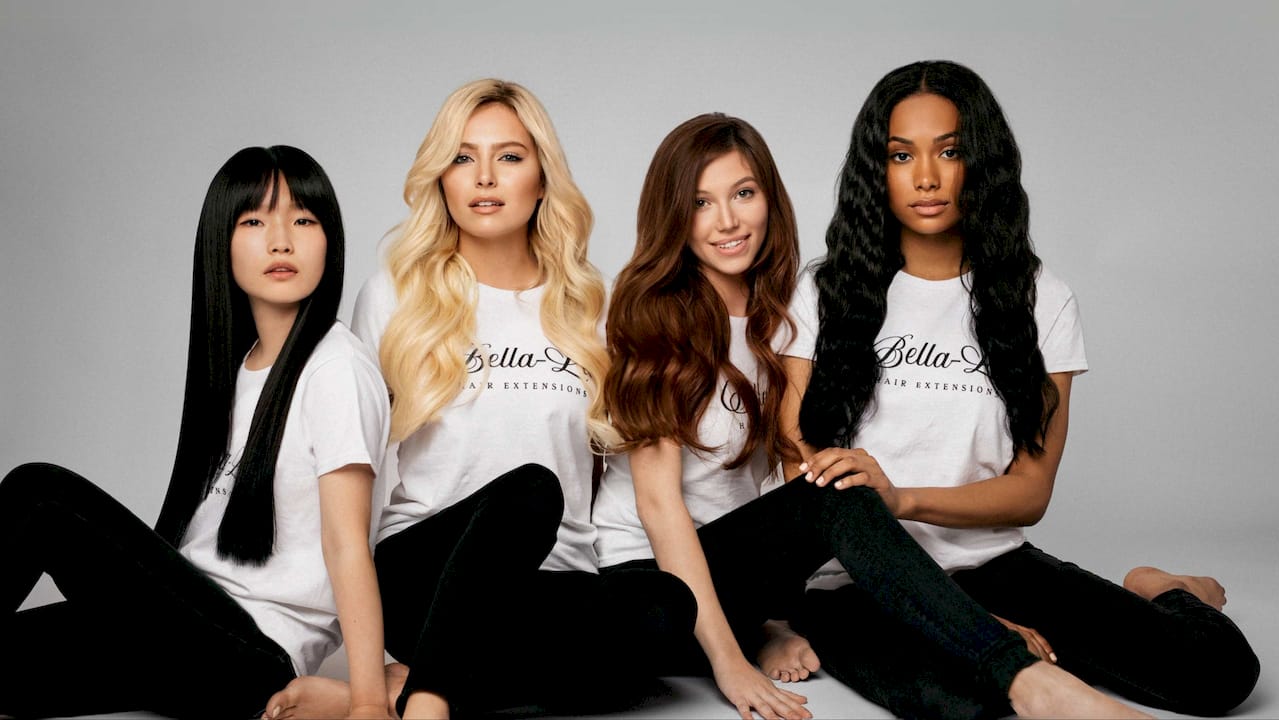
Every alopecia consultation starts the same way: looking at density, checking for tenderness, and mapping which areas can safely bear any weight at all. A test patch tells us more in fifteen minutes than a client history ever could, because scalps respond differently than people expect.
The emotional shift is usually immediate. Clients who’ve been avoiding mirrors start actually looking at themselves again. That’s real, but it’s not the same as a cure, and part of the job is being upfront about that distinction from the first appointment. A good consult includes an honest assessment, a small test install, and a clear aftercare plan you can actually stick to.
— Bella-Lu
Ready to Try a Gentler Extension Option?
If pain-free wear and daily control matter most to you, starting with a clip-in set gives you both without asking you to commit to anything permanent. The Beach Blonde, Clip-In set is a practical starting point for exactly this reason: you place every clip yourself, skip any area that feels sensitive, and remove the whole thing at night without help from anyone else.
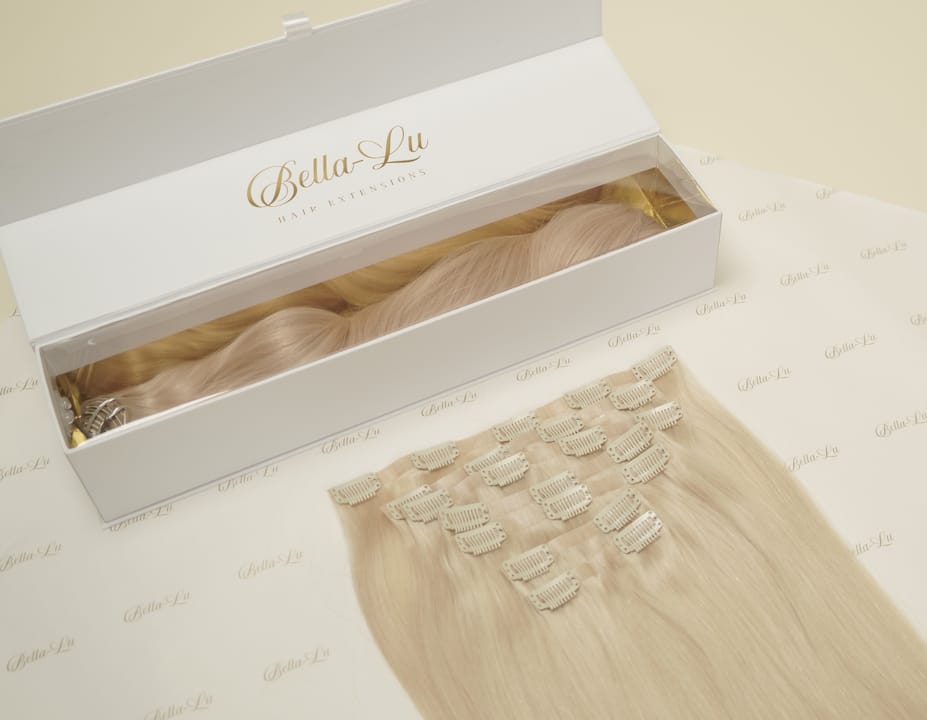
Pair it with a carrier bag to keep the wefts protected between wears, and a pintail comb for gentle, precise sectioning if you’re placing clips near a thinning part. If your hair loss pattern is more complex than diffuse thinning, reach out to a stylist for a professional fitting before committing to a full look. Browse the full Bella-Lu catalog to compare shades and find the closest match to your natural color, then place your order when you’re ready to start wearing extensions with real confidence in how your scalp will handle them.
Where This Guidance Comes From
-
The American Academy of Dermatology’s guide to preventing extension damage lays out dermatologist-backed prevention steps, including when to avoid tight styles.
-
MedlinePlus’s summary of androgenetic alopecia explains the genetic and clinical basics of pattern hair loss.
-
Cleveland Clinic’s overview of alopecia areata covers patterns of autoimmune hair loss and when to see a doctor.
-
DermNet NZ’s page on traction alopecia details how tension-related damage develops and how to prevent it.